亼DD1ㄈㄒ
Chuan Tsai, Jen-Yu Huang, Wei-Yu Chen
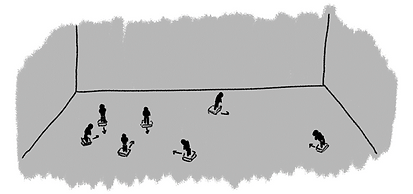
"亼DD1ㄈㄒ" is derived from the English word "Addict" and is presented as if mimicking the garbled code returned after a program error, implying a flawed way of using the internet. This work explores internet addiction, using a miniature figure to symbolize addicts glued to a screen. In a dimly lit room, it is depicted staring at an LED matrix panel, reflecting the grip of addiction. As viewers approach, the figure raises its head, conveying a sense of hope for redemption. However, when viewers leave or stop, it returns to the head-down position, illustrating the persistent struggle with addiction. Through this interaction, we aim to raise awareness about the complexities of internet addiction and the need for ongoing support.
Demo video
Electronic & Digital Components

Arduino

Raspberry Pi

LED matrix panel
Interactive Elements
IR obstacle avoidance sensor, Ultrasonic distance sensor
Why is "亼DD1ㄈㄒ"
-
"Addict" describes people who are unable to escape the online/digital world
-
Resembles the garbled text returned when a program crashes
-
The program error concept parallels the misuse of the internet
Presentation
-
Raspberry Pi: message transmission, LED matrix panel control, sound
-
Computer (Python): web scraping, translation, message transmission
-
Arduino: figure movement, distance sensing, head-raising and lowering control
-
3D Printing: figure's external model
Interactions (High to Low Complexity)
1. Flashing LED Matrix Panel
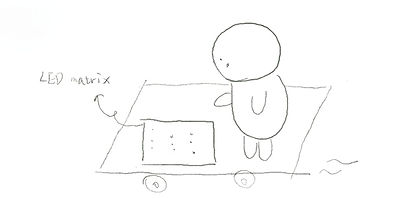
A small figure looks at an LED matrix panel, which flashes internet messages in Morse code and occasionally emits notification sounds. The strong light from the panel illuminates the figure's face, symbolizing the relentless flood of online information. The intermittent sounds represent the constant, unseen activity of the internet.
We use the LED panel as an internet interface, akin to a smartphone or computer. This interaction illustrates the engrossed state of internet addicts, capturing the audience's attention similarly.
2. Head-Raising When Approached by Audience
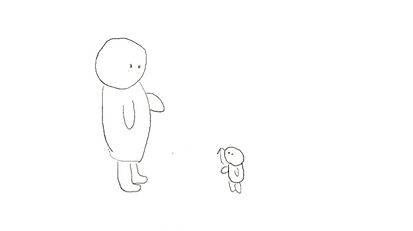
When an audience member approaches, the figure senses them and raises its head. This action symbolizes the brief awakening of an internet addict when interacting with people, before quickly being drawn back online. We hope this interaction highlights the need for proactive care from others and the difficulty of overcoming internet addiction.
distance
The figure raises its head when the audience approaches

The figure lowers its head when the audience leaves

distance
The figure will lower its head if the audience stands still for a while
3. Aimless Wandering in the Exhibition Space
The figure, mounted on wheels, moves aimlessly around the exhibition space. This wandering represents the figure's disorientation in both the online world and real life. It hints at the inner world of internet addicts, showing how their discomfort with reality makes the internet a tempting escape.